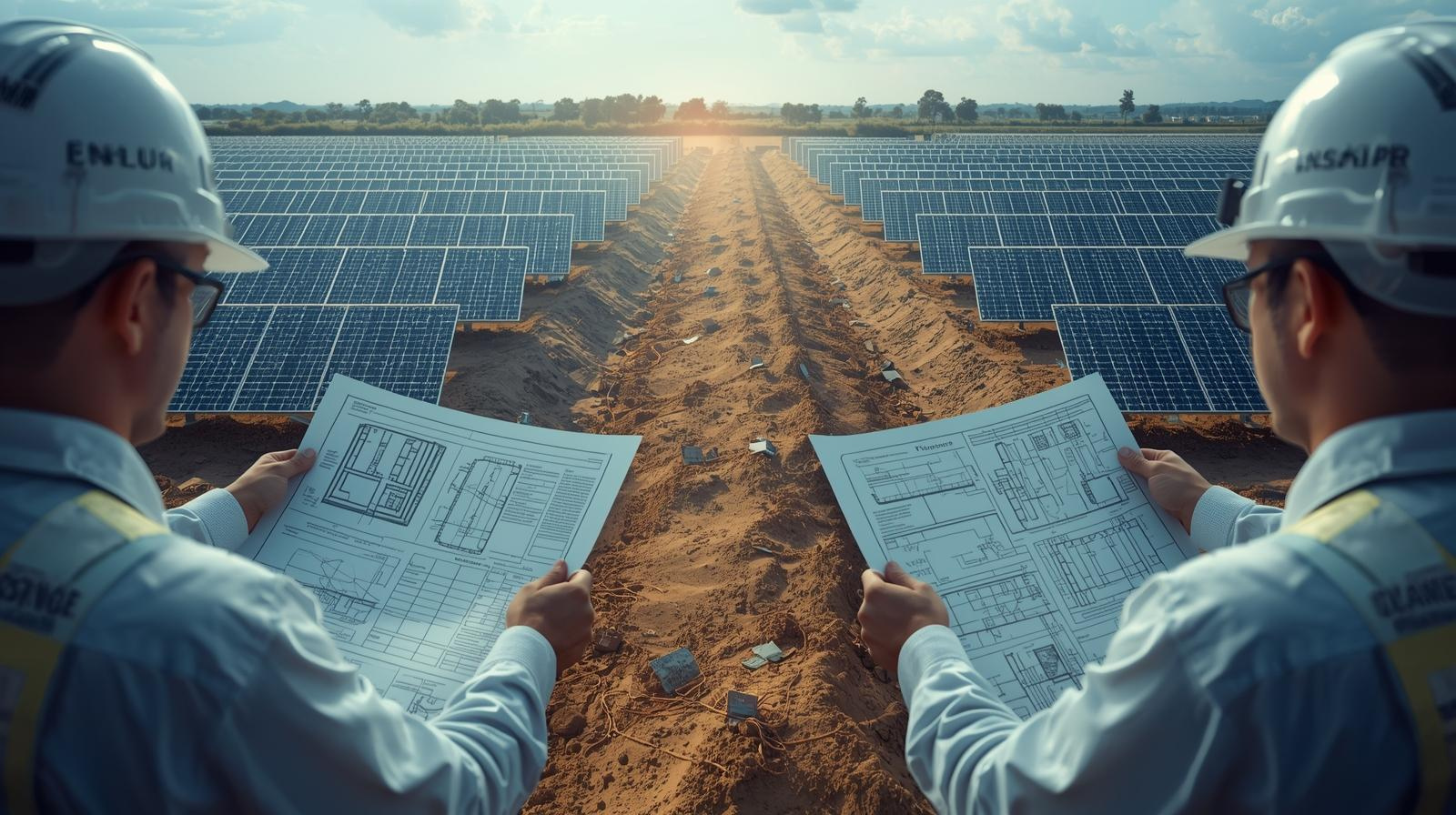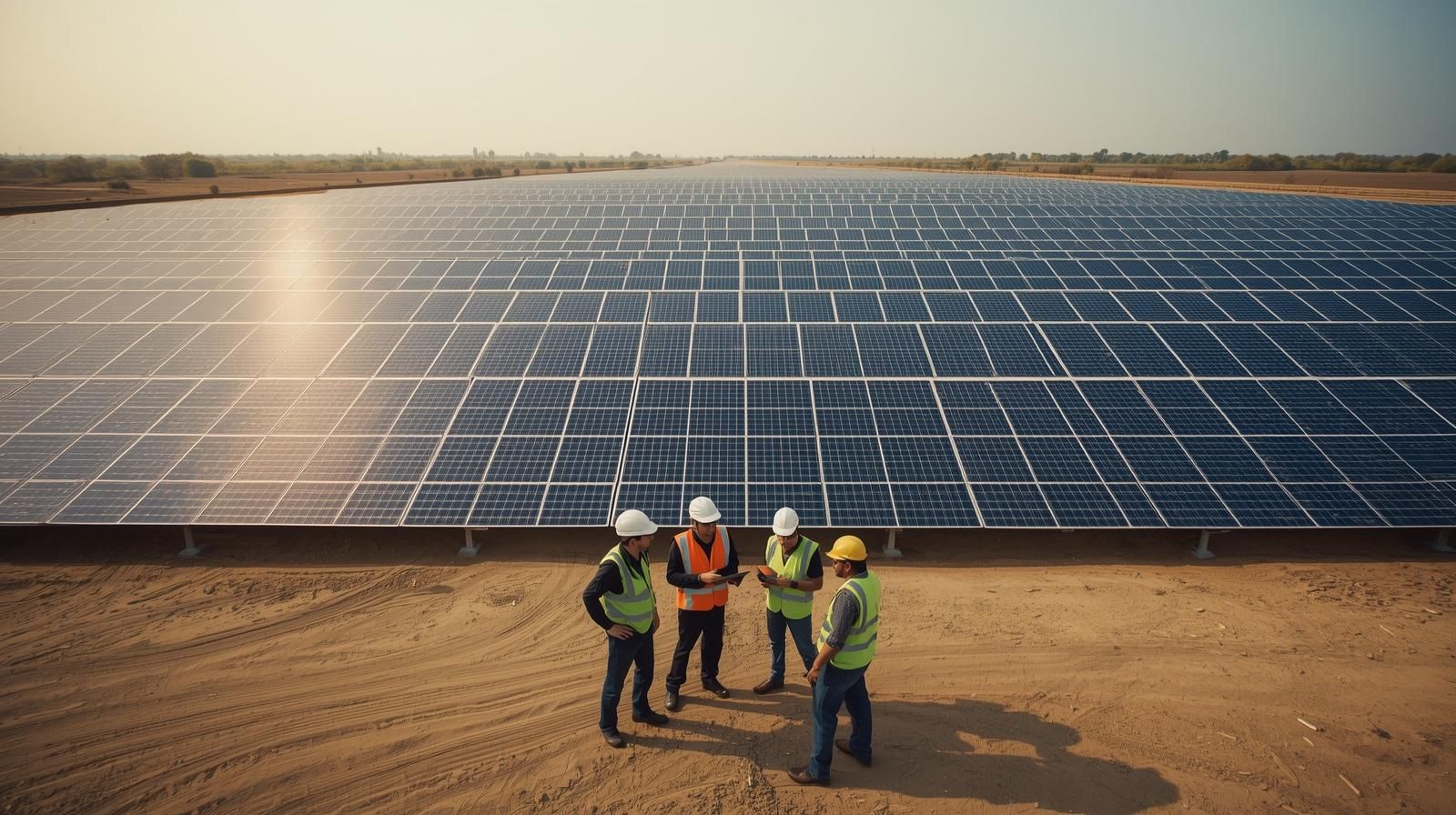
Why Residential Solar Success Is Decided on Solar Design?

Residential solar is growing fast in India. Every homeowner wants lower electricity bills, better savings, and long-term energy security.
But here’s the truth no one talks about:
99% of residential solar success is decided before installation — in the design stage.
Panels, inverters, and wiring matter… but if the design is wrong, nothing else can fix the system.
A good design gives you:
-
Maximum generation
-
Zero shading issues
-
Safe installation
-
Long system life
-
Better ROI
A bad design gives you:
-
Lower output
-
Hotspots
-
Safety risks
-
Client complaints
-
Repeat visits
Here’s why design is the most important step in residential solar projects.
1. Design Controls Rooftop Utilization
Every roof is different:
-
Different shapes
-
Obstacles
-
Parapet walls
-
Tanks
-
AC outdoor units
-
Shadow patches
Only a proper design can:
-
Use the roof smartly
-
Fit more modules in less space
-
Avoid shade zones
-
Plan the best panel angles
-
Ensure safe clearance
A good design converts a confusing roof into a perfect solar layout.
2. Proper Shading Analysis Decides Your Power Output
Shading is the biggest enemy of residential solar.
1 small shadow = panel output drops
Shadow on 2–3 panels = entire string loses power
Good design includes:
-
3D shading analysis
-
Hour-wise shading map
-
Correct panel placement
-
Avoiding hotspot zones
Residential solar fails when shading is ignored.
3. A Strong Design Prevents Electrical Problems
Common electrical risks:
-
Wrong string sizing
-
Overloaded MPPTs
-
Undersized or oversized cables
-
Improper protections
-
Unsafe DC routing
A proper electrical design ensures:
-
Safe current flow
-
No overheating
-
Long inverter life
-
Efficient generation
-
Zero safety hazards
Good electrical design = Safe solar home.
4. Design Helps You Choose the Right System Size
Many homeowners ask:
“How many kW do I need?”
A proper design studies:
-
Your monthly bill
-
Sanctioned load
-
Roof space
-
Annual generation
-
Inverter/Panel match
This avoids:
-
Under-sized systems that don’t reduce bills
-
Over-sized systems that waste investment
Design helps you pick the perfect system size for your home.
5. Good Design Reduces Installation Mistakes
Most installation problems happen because:
-
Drawings were unclear
-
Layout wasn’t optimized
-
Cable paths weren’t planned
-
Structure positions were wrong
Good design gives installers:
-
Clear panel layout
-
Exact structure placement
-
Perfect cable routing
-
Clean DC/AC path
This eliminates confusion and rework.
6. A Proper Design Increases ROI
More generation = faster payback
Less loss = long-term savings
With a good design, homeowners get:
-
Higher kWh generation
-
Lower bill
-
Better performance
-
Long system lifespan
Design is the foundation of ROI.
⭐ Conclusion
Residential solar systems don’t succeed because of:
❌ More panels
❌ Bigger inverter
❌ More wires
They succeed because the design is solid.
In 2025, every successful rooftop installation begins with:
-
Smart layout
-
Accurate shading study
-
Strong electrical planning
-
Safe routing
-
Proper sizing
Solar design is where the real success starts.
Contact Eden Solar Design
📧 Email: [email protected]
📞 Phone: +91 95107 18852
🌐 Website: www.edensolardesign.com
🗂️ Client Portal: https://edensolardesign.com/eden-crm-portal/
Thank you for reading.
We’re here to support EPCs with better design, lower risk, and stronger project execution.